
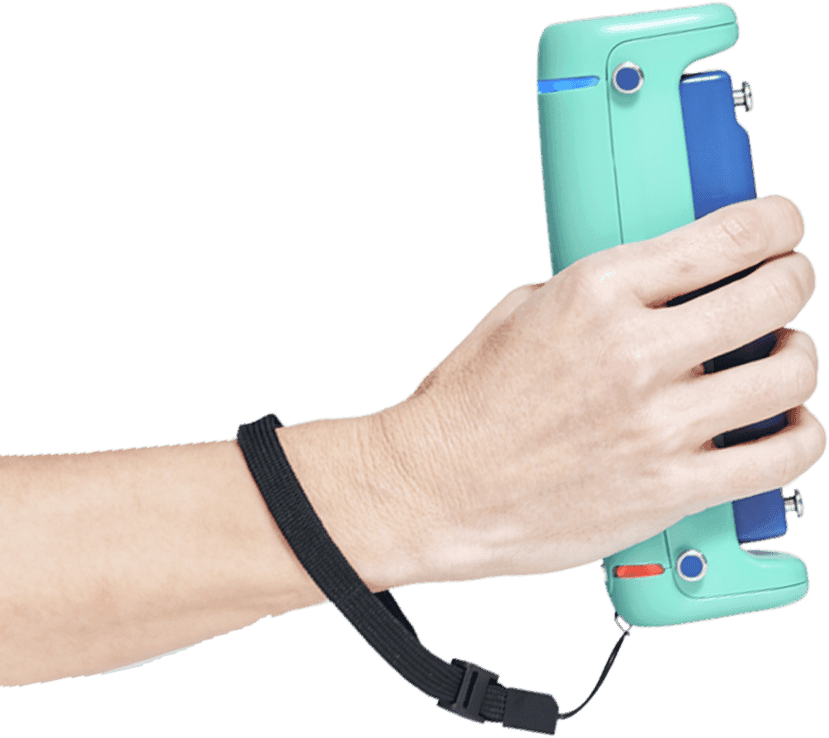
Measurement built for clinical confidence
Up-to-date population norms
Proven in Peer-Reviewed Research
Fully standardized protocol
Real-time data capture
Grip strength predicts health outcomes better than you might expect
Cardiovascular risk
The Lancet PURE study (2015) followed 139,691 adults across 17 countries and found that each 5 kg reduction in grip strength was associated with a 17% increase in cardiovascular mortality. Per 3.5 kg of decline, all-cause mortality risk rose by 16%. Grip strength outperformed systolic blood pressure as a predictor of death from any cause.
Cancer risk
Lower grip strength is associated with increased cancer mortality. A UK Biobank prospective study (2018) of >500k participants, showed that each 5 kg decrement in grip strength was associated with a roughly 17% higher risk of cancer death in women and a 10% higher risk in men. These associations persisted after adjustment for age, ethnicity, deprivation, BMI, smoking, physical activity, and comorbidities.
Frailty and falls
Grip strength is one of the five Fried frailty criteria and a core component of sarcopenia diagnosis under the EWGSOP2 definition. Low grip strength is independently associated with increased falls risk, reduced mobility and loss of independence in older adults.
Population health applications
At scale, grip strength data enables population-level risk stratification. Public health teams can identify cohorts at elevated risk of functional decline, target preventive interventions and track the effectiveness of programs over time. Standardized digital capture makes this feasible across distributed care settings.
Simple process. Actionable insight.
Capture
Standardized positioning and instructions to ensure accuracy across assessments and raters.
Score
Results automatically compared against population norms, no need for paper calculations or comparisons.
Act
Report generated for immediate referral of at-risk individuals.
Track
Monitor grip strength trends over time. Detect decline early and measure the impact of interventions.