
Functional Health Measurements: Grip Strength as a Universal Health Metric
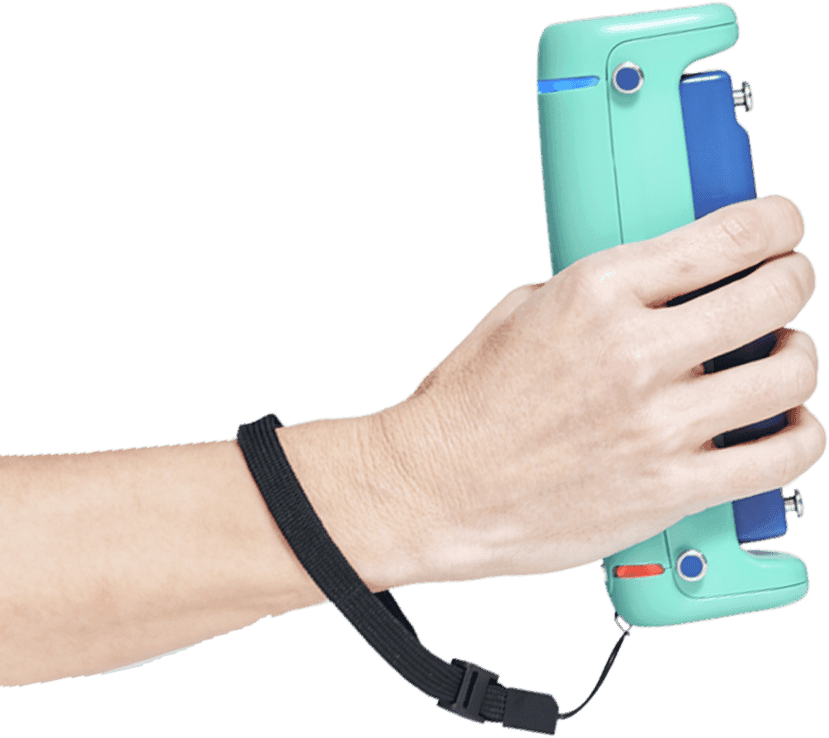
Grip strength serves as a quick, non-invasive biomarker for tracking functional health. As the U.S. population ages, measuring functional health becomes increasingly critical.
Overview
Grip strength serves as a quick, non-invasive biomarker for tracking functional health over time. As the U.S. population ages - with one-fifth expected to be 65 or older by 2050 - measuring functional health becomes increasingly critical for reducing healthcare costs and improving quality of life.
The Healthcare Challenge
According to the Congressional Budget Office, expenditures on long-term elderly care will rise substantially. Over two-thirds of 65-year-olds are expected to need long-term support, with muscle weakness driving higher hospitalization costs.
Research from the Assistant Secretary for Planning and Evaluation reveals that functional limitations affect 14% of Americans but account for 46% of healthcare spending. The most vulnerable populations face dramatically elevated costs: adults requiring ADL/IADL assistance represent just 5% of the population yet drive 23% of healthcare expenditures - four times the average.
Understanding Functional Health
Functional health differs from functional medicine. While functional medicine addresses root causes of illness, functional health refers to your ability to perform everyday activities and maintain independence. This capacity is essential to healthspan - the years lived in good health.
Grip Strength as a Biomarker
Research demonstrates grip strength predicts several critical health outcomes:
- All-cause mortality: A systematic review of over two million adults found individuals with low muscular strength faced significantly higher early death risks from all causes and cardiovascular disease
- Cardiovascular mortality: Grip strength outperforms traditional risk factors like systolic blood pressure in predicting cardiac mortality
- Physical disability and frailty: Declining grip strength correlates strongly with sarcopenia, dynapenia, and frailty
- Economic impact: A 10% reduction in low grip strength prevalence could yield an estimated 18% reduction in healthcare expenditure
Clinical Advantages
Grip strength measurement offers multiple practical benefits:
Simple and Accessible
- Non-invasive assessment using a handgrip dynamometer
- Minimal training required for administration
- Produces immediate results
- Suitable for hospitals, clinics, and homes
Reliable and Reproducible
- Highly consistent results with standardized equipment
- Low exclusion and dropout rates in studies
- Feasible for large-scale implementation
Cost-Effective
- Affordable devices now available
- Lower-cost options provide comparable accuracy
- Supports preventive care and population-level monitoring
Integration into Healthcare Settings
At Home
Patients use the Able Assess platform for self-assessment, enabling proactive care and longitudinal tracking. Remote monitoring allows clinicians to follow progress without frequent office visits.
Hospital Settings
Pre-operative assessments using Able Assess facilitate quick grip strength measurement for risk stratification. Real-time feedback supports informed surgical planning and postoperative care decisions.
Clinical Practices
Community providers can assess frailty, falls risk, or treatment progress in chronic disease management using portable equipment suitable for busy outpatient environments.
Data Interpretation
The Able Assess platform provides clear guidance:
- Normative comparisons automatically reference global datasets, enabling assessment relative to age- and gender-specific benchmarks
- Clinical cut-offs highlight health risk thresholds; for example, grip strength below 26 kg in men or 16 kg in women correlates with increased mortality
- Trend analysis tracks longitudinal changes, supporting early intervention and personalized care planning
The Path Forward
Grip strength monitoring aligns with the shift toward proactive, patient-centered healthcare. As a metric bridging physical, functional, and metabolic health, it offers a comprehensive view of patient resilience.
This approach benefits all stakeholders:
- Patients become active participants, tracking progress and understanding personal health risks
- Clinicians gain actionable insights enabling earlier interventions and personalized care
- Healthcare systems achieve cost savings, resource optimization, and improved outcomes while advancing value-based care
Able Care's streamlined solutions make grip strength assessment practical across diverse healthcare environments, supporting the transition from reactive to preventive healthcare delivery.